


Bluffing is the sexiest move in poker, but it’s also the one that gets people into trouble. PlayWSOP ambassador Samantha Abernathy recently gave you her strategy for bluffing at the poker table, but what she didn’t reveal were the mistakes she’s seen beginners make.
In this article, we walk you through the pitfalls of bluffing and issues Abernathy has witnessed on countless occasions. Before we reveal the three biggest bluffing mistakes in poker, let’s talk a bit about psychology. Specifically, why do we bluff and what causes us to make mistakes?
Watch Samantha Abernathy explain the biggest bluffing mistake she sees
Confidence Can Cause You to Make Mistakes
There are, of course, technical reasons for bluffing. It’s a potentially profitable play when used correctly. However, there’s more to it. Winning with the worst hand makes you feel good. It gives you a sense of power because you’ve taken chips you wouldn’t otherwise have won.
This can increase your confidence. When you’re confident, you’re less likely to shy away from making big bets, calls, or folds. It can also reduce your chances of going on tilt and making silly mistakes. So, while there are practical reasons for bluffing, it’s important to acknowledge the psychological benefits.
Power is appealing, which is why we all fall into the trap of bluffing when it’s a bad idea. There’s also a sense of not wanting to look weak or stupid. That’s often the reason why people continue with a bluff when they should have cut their losses.
These are the mind games that often factor into our decisions when it comes to bluffing, which is something Abernathy knows all too well. In her latest video, she said the biggest bluffing mistake she sees is players trying to steal the pot because they’ve missed a draw.
Bluffing Mistake #1: Continuing with Missed Draws
Semi-bluffing is a powerful move because you’ve got two ways to win: you can win without a showdown, or you can hit your draw and win at a showdown. That doesn’t mean you should continue betting on every street. Not only is it OK to give up on a semi-bluff, but it’s often necessary.
Here’s what Abernathy has to say about bluffing because you missed a draw:
“Let’s say you get to the river with a missed flush draw. Missing can absolutely make your hand a reasonable bluff candidate. The mistake is thinking: well, I missed, so now I have to bluff.
Before I bet, I want to know which hands I want someone to fold. If I can’t answer that question, then I’m probably just betting because I don’t want to give up on the pot. Sometimes, giving up is the right play.”
Board Texture Matters
Abernathy is saying that you shouldn’t bluff with a missed draw without a valid reason. If the board is textured enough that you can make someone fold a better hand, then bluffing is still a viable option.
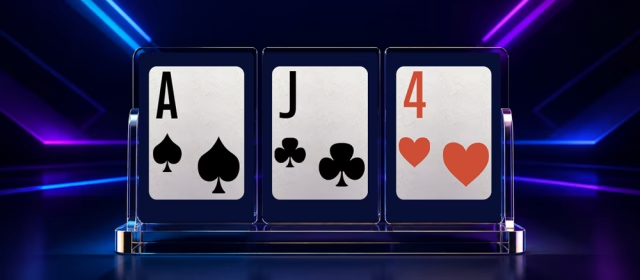
For example, let’s say the board is A♠ K♠ 10♥ 2♦ 3♣. You were chasing a spade flush draw that missed. However, based on your betting pattern, there’s a chance your opponent will think you’ve got a straight with Q-J or 4-5. So, in this spot, better hands might fold.
If, however, the board was A♠ K♠ 8♥ 2♦ 7♥ and you were chasing the same spade flush draw, this isn’t a good spot to bluff. There aren’t any completed draws you can represent, so it’s hugely unlikely better hands are going to fold.
Bluffing Mistakes #2: Wrong Player, Wrong Time
Some players are more likely to fold than others. Although it’s often situation-dependent, newbies, rocks, and tight players are most likely to fold when they’re faced with a bet or raise. So, in general terms, these are the best types of players to bluff.
According to Abernathy, “you can pick a perfectly reasonable bluff and still choose the wrong person to try it against.” That’s because some players just don’t like folding. As she explains, they might not fold because “they’re curious or they don’t believe you. Maybe they’ve already put a lot into the pot and want to see what you have.”
In short, Abernathy is saying that bluffs only work if someone is capable of folding. Whatever the reason, if an opponent calls too much, she’s not looking for reasons to bluff them. Instead, she’ll simply wait for a better spot.
You Need to Time Attacks Perfectly
This leads to the second consideration: timing. Sometimes, you can bluff the right player at the wrong time and vice versa. Let’s say you’ve identified a suitable candidate to bluff.
You know they’re suitable because you’ve seen them fold to pressure plenty of times during the session. Their usual pattern of behavior is to call pre-flop, check-call the flop, and fold to big bets/raises on the turn.
Taking this into consideration, let’s say you find yourself in a hand against this player with a bottom pair, plus a straight and flush draw on the turn. The board is 9♣ A♥ K♥ J♠ and you’re holding 7♥ 8♥. You’ve got a strong hand in this spot, so betting is probably the right play, even though you believe your opponent has at least a pair of jacks.
You bet, and your opponent calls. The 2♣ lands on the river, meaning you’ve missed your draws. Do you continue betting in this spot? Your opponent has previously shown a tendency to fold when faced with a big bet, so there’s a chance they’ll do it again.
Right Player, Wrong Time
That said, the timing is probably wrong. For starters, the 2♣ doesn’t change anything. All draws missed, and it’s a low-value card. So, if your opponent had a strong enough hand to call the flop and turn, the 2♣ isn’t going to scare them away.
Secondly, this opponent called on the turn when, in other similar situations, you’ve seen them fold. This tells you they’ve at least got a pair which, given the texture of the board, is going to be better than yours.
So, while it may be a good opponent to bluff, the time isn’t right. And, going back to Abernathy’s first bluffing mistake, your draws missed, and the river isn’t a scare card. Putting these two things together, bluffing isn’t a sensible move in this spot.
Bluffing Mistake #3: Your Story Doesn’t Make Sense
Samantha Abernathy’s third bluffing mistake in poker is confusing stories. In fact, what’s interesting about this mistake is that she’s seen experienced players make it almost as much as beginners.
If the story you’re telling doesn’t make sense, there’s a much greater chance someone will call your bet. Abernathy explains this in her guide to building the perfect bluff in poker, but let’s recap.
Stories Start Before the Flop
Every poker hand is a story that starts before the flop. The moves you make determine your image at the table. This image sets the tone for everything that follows. So, if you’re a tight player, the suggestion is that you only play strong hands. Therefore, when you start betting, people are more likely to believe you’ve got something.
Conversely, if you’re a loose player who’s involved in a lot of pots, opponents are going to think your average hand isn’t that strong. This makes it harder to bluff because they’re more likely to call when they’ve got middling-to-strong hands.
Once the tone is set, the story of a hand unfolds during the pre-flop betting round. Did you enter the pot with a bet, call, raise, or re-raise? From there, new chapters get added throughout the hand. Each chapter must flow logically from one to another if you want someone to believe your story.
For example, let’s say you call pre-flop, check-call the flop, check the turn, and suddenly bet on the river. The first three chapters (pre-flop, flop, and turn) have a logical flow, i.e., you’ve taken a passive line. Then, out of nowhere, you make an aggressive move on the river.
Bets and Bluffs Don’t Exist in Isolation
As Abernathy explains, “Your river bluff (or any bluff for that matter) can’t exist in isolation. If you suddenly make a huge bet, ask yourself: what strong hand am I actually representing, and would I really have played that hand this way on the flop and turn?”
Bets that are out of sync cause players to scratch their heads and wonder what’s going on. When someone is confused, they’re more likely to call because they sense something isn’t quite right. That’s a good thing if you’ve got a very strong hand, but not so good when you’re bluffing.
This is what Abernathy means about your story not making sense. You can’t simply switch from one type of storyline to another without arousing suspicion. For Abernathy, the “best bluffs usually make sense from beginning to end.” You shouldn’t bluff just because you want to win the pot or because it’s your last resort.
It’s also important to remember that your opponents matter. They’re also characters in the story. You need to assign them a range of hands and ask yourself which ones they’ll fold. If they’ve got a very strong hand, it doesn’t matter how convincing your story is, the chances are they won’t fold.
Consider All Variables Before Bluffing in Poker
That’s why you need to consider a variety of factors before bluffing. If the story makes sense, the board is scary, and you’re against the right opponent, the time might be right to bluff.
If, however, there’s one or more things that aren’t quite right, don’t do it. Avoid these mistakes, and you’ll be on the road to making more successful bluffs online at PlayWSOP and in live poker events anywhere in the world.